







A Taste of Massachusetts: Where Food Tells the Story of Place In Massachusetts, food is an invitation to explore, connecting visitors to the land, the sea, and the many cultures that shape the state. From dockside shacks and family-run kitchens to orchards, farms, and creative urban restaurants, the state’s culinary scene is deeply rooted in place, shaped by the sea, the land, and generations of cultural influence. Eating here is about more than flavor; it’s about feeling a part of where you are.
Seafood is the most natural place to begin. Along the North Shore, fried clams and oysters are a tradition as enduring as the coastline itself. In Essex, Woodman’s of Essex has become a rite of passage for travelers, serving crisp fried clams and briny oysters that reflect the working waterfront just beyond the door. These are meals meant to be eaten casually, often with sandy shoes and a sea breeze, reminding visitors that simplicity and quality have long defined Massachusetts seafood.
Travel south and the food story shifts, shaped by deep Portuguese roots that define much of the South Coast. In Fall River, Sagres Restaurant offers a window into that heritage, where seafood-forward dishes and bold flavors reflect generations of Portuguese influence. This legacy extends into local classics like the stuffed quahog, a dish that blends regional ingredients with cultural tradition, and speaks to how immigration has shaped the Massachusetts table. Sweet traditions are equally essential.
Ice cream in Massachusetts is more than dessert; it is a travel ritual. On the south shore, B's Handmade Ice Cream draws visitors for homemade scoops that feel inseparable from summer days and coastal scenes. On Martha’s Vineyard, Mad Martha’s Ice Cream is part of the island rhythm, where a cone in hand often marks the perfect end to a beach day or evening stroll. Together, these stops reflect the spirit behind the state’s beloved 100-stop Ice Cream Trail, turning simple pleasures into lasting memories.
Move inland, and Massachusetts reveals another side of its food identity in apple country. In Sudbury and Easton, The Farmer’s Daughter highlights seasonal cooking rooted in Massachusetts agriculture, celebrating ingredients sourced from farms across the state and bringing local flavors to the table year-round. Apples become cider, pies, and preserves, while shelves overflow with local products that connect visitors directly to the surrounding farmland.
This farm-to-table ethos continues west, where The Farm Table showcases Western Massachusetts at its best, with menus built around what is grown nearby and a dining experience rooted in community and care. In the cities, the culinary scene reflects both creativity and cultural diversity. In Lynn, Nightshade Noodle Bar offers bold, inventive flavors that highlight the state’s evolving food culture and global influences.
In Cambridge, Pammy’s blends Italian inspiration with New England sourcing, creating a neighborhood restaurant that feels both refined and welcoming. What unites all of these experiences is a strong sense of place. Food in Massachusetts is not designed to impress from afar, it is meant to be discovered, enjoyed, and remembered in the moment. Whether it is fried clams by the coast, ice cream on a warm evening, or apples picked at peak season, each meal reflects the landscape, the people, and the stories behind it.
For travelers, the Massachusetts food scene offers something rare: a chance to taste history, culture, and creativity in ways that feel authentic and personal. From the shoreline to the hills, from small towns to vibrant cities, the state invites visitors to explore its flavors and, in doing so, discover the deeper story of Massachusetts itself. com.
Webcopy A Taste of Massachusetts: Where Food Tells the Story of Place In Massachusetts, food is a way of understanding where you are. It reflects the coastline and the hills, the seasons and the weather, and the many cultures that have shaped the state over centuries. From dockside seafood shacks and family-run kitchens to orchards, cranberry bogs, and inventive urban restaurants, the state’s culinary scene is inseparable from its geography and its history. Eating here is not just about what is on the plate.
It is about context, memory, and connection. Each meal tells a story rooted in place. Seafood is the most natural place to begin. With hundreds of miles of coastline, Massachusetts has long been defined by its relationship with the sea. Along the North Shore, fried clams, lobster rolls, and oysters are not trends. They are traditions passed down through generations. In Essex, Woodman’s of Essex stands as a rite of passage for travelers and locals alike.
Known for its crisp fried clams and briny oysters, Woodman’s reflects the working waterfront just beyond its doors. Meals here are simple and unfussy, often enjoyed at picnic tables with sandy shoes and a steady ocean breeze. It is seafood as it has always been meant to be. Farther east, Cape Cod offers its own interpretation of the coastal food story.
In Provincetown, The Seafood Shanty captures the easygoing spirit of the Cape, where chowder, fried seafood, and lobster rolls are enjoyed with sweeping harbor views. These are meals that stretch into long afternoons, shaped by the rhythm of boats coming and going and the sense that time moves a little slower by the water. On the Cape, seafood is not just a menu choice. It is part of the landscape. Travel south and the culinary story shifts, shaped by deep Portuguese roots that define much of the South Coast.
In Fall River, Sagres Restaurant offers a window into that heritage, where seafood-forward dishes and bold flavors reflect generations of Portuguese influence. This legacy also lives on in regional classics like the stuffed quahog, a dish that blends local shellfish with seasoned breadcrumbs and spices. It is a reminder that immigration has long shaped the Massachusetts table, turning local ingredients into enduring cultural traditions. Sweet traditions play an equally important role in the state’s food identity.
Ice cream in Massachusetts is more than dessert. It is a ritual tied to summer evenings, road trips, and family memories. On the South Shore, B’s Handmade Ice Cream draws visitors with small-batch flavors that feel inseparable from beach days and coastal towns. On Martha’s Vineyard, Mad Martha’s Ice Cream is woven into the island’s daily rhythm, where a cone in hand often marks the perfect end to a beach day or an evening stroll. In Western Massachusetts, ice cream takes on a more pastoral feel.
In South Hadley, McCray’s Farm Ice Cream has become a destination in its own right, where generous scoops are enjoyed against the backdrop of farmland and open skies. Together, these stops reflect the spirit behind the state’s beloved Ice Cream Trail, turning simple pleasures into meaningful travel moments. Autumn introduces another layer of flavor, one defined by orchards, harvests, and seasonal rituals. Apples are central to this story.
Across the state, fall weekends bring visitors to orchards for picking, cider tastings, and fresh-baked pies. Apple cider donuts, warm and fragrant, have become a seasonal icon, enjoyed straight from the bag in farm parking lots or paired with fresh cider. In Sudbury and Easton, The Farmer’s Daughter highlights this connection to Massachusetts agriculture year-round, celebrating local produce and pantry goods that keep the flavors of harvest alive well beyond the season.
Cranberries offer another distinctly Massachusetts story. As one of the nation’s leading cranberry-producing states, the state’s bogs shape both the landscape and the local cuisine. In the southeastern part of the state, especially around Plymouth County and Cape Cod, cranberry harvest season transforms wetlands into fields of floating red berries.
Cranberries find their way into sauces, baked goods, cocktails, and preserves, grounding modern menus in an agricultural tradition that dates back centuries and remains deeply tied to place. Move west and the farm-to-table ethos becomes even more pronounced. In Bernardston, The Farm Table showcases Western Massachusetts at its best, with menus built around what is grown nearby and a dining experience rooted in community. Here, food reflects the seasons directly.
What appears on the plate is shaped by what farmers are harvesting that week, creating meals that feel honest, local, and deeply connected to the land. Donuts add another beloved chapter to the Massachusetts food story. From classic cider donuts in the fall to year-round bakeries serving generations of loyal customers, donuts here are about comfort and community.
Whether picked up early in the morning for a road trip or enjoyed after a farm visit, they are small but meaningful rituals that mark everyday moments and seasonal traditions alike. In the cities, Massachusetts’ culinary identity expands to reflect creativity, innovation, and cultural diversity. Urban kitchens draw inspiration from global traditions while remaining connected to local sourcing.
In Lynn, Nightshade Noodle Bar exemplifies this evolution, offering bold, inventive dishes that speak to the state’s changing food culture and its embrace of new ideas. In Cambridge, Pammy’s blends Italian inspiration with New England ingredients, creating a neighborhood restaurant that feels both refined and welcoming.
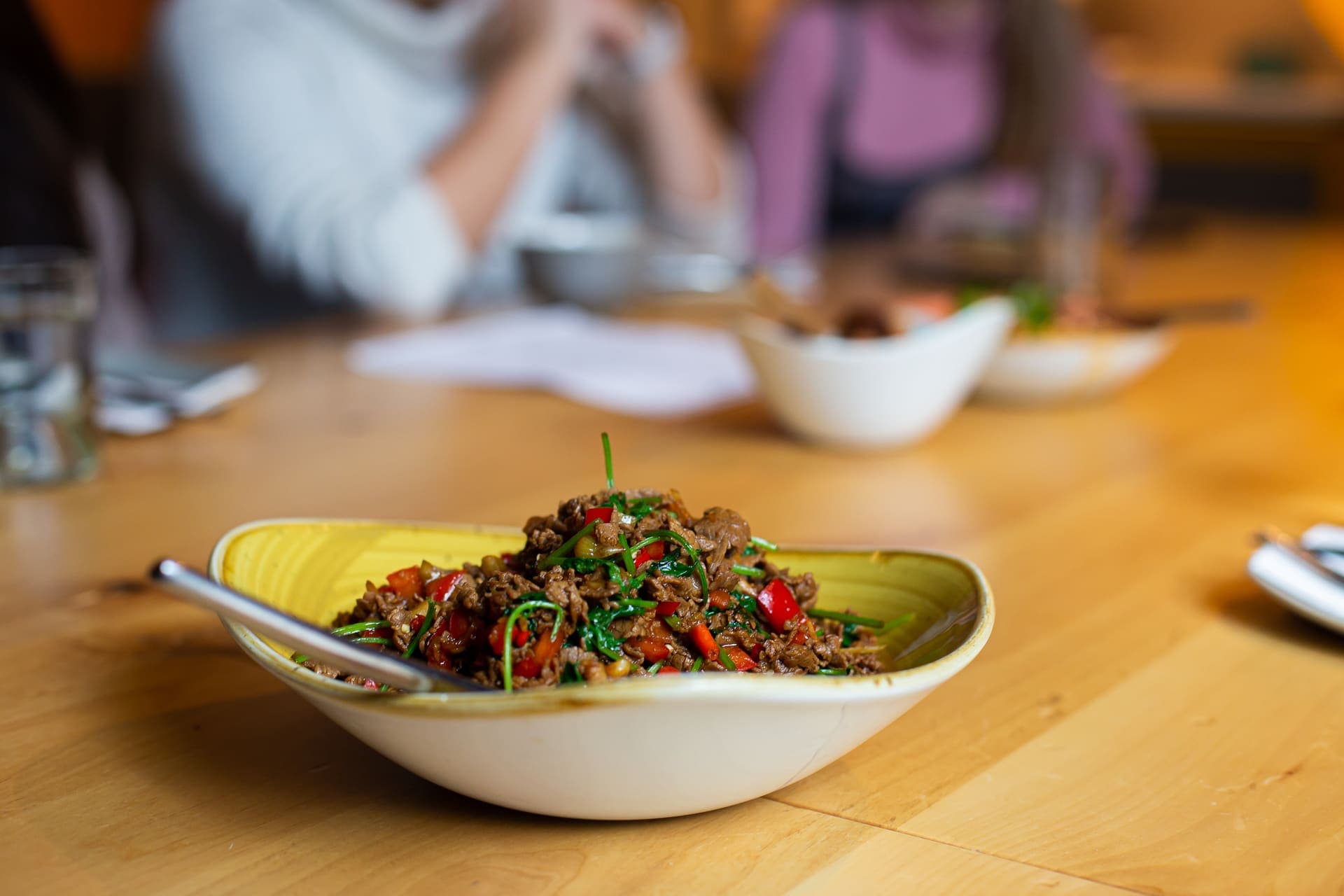
Just nearby, Sumiao Hunan Kitchen adds another layer to the city’s food identity, highlighting regional Chinese cuisine with dishes rooted in tradition and defined by vibrant heat and depth of flavor. Together, these restaurants reflect how Massachusetts cities celebrate both global influence and local character, inviting diners to experience the world while staying grounded in place. Across the state, what unites all of these experiences is a strong sense of authenticity.
Food in Massachusetts is not designed to impress from afar. It is meant to be discovered, enjoyed, and remembered in the moment. Whether it is fried clams eaten steps from the ocean, ice cream on a warm summer night, cider donuts in the fall, or cranberries harvested from floating bogs, each bite reflects the landscape, the people, and the stories behind it. For travelers, the Massachusetts food scene offers something increasingly rare.
It offers a chance to taste history, culture, and creativity in ways that feel personal and real. From the shoreline to the hills, from small towns to vibrant cities, Massachusetts invites visitors to explore its flavors and, in doing so, discover the deeper story of the state itself. com.